Reading the live match card without refreshing, in three short notes.
Reading the live match card without refreshing: how the scorecard updates, what the run-rate signal looks like, and when to stop refreshing the page.
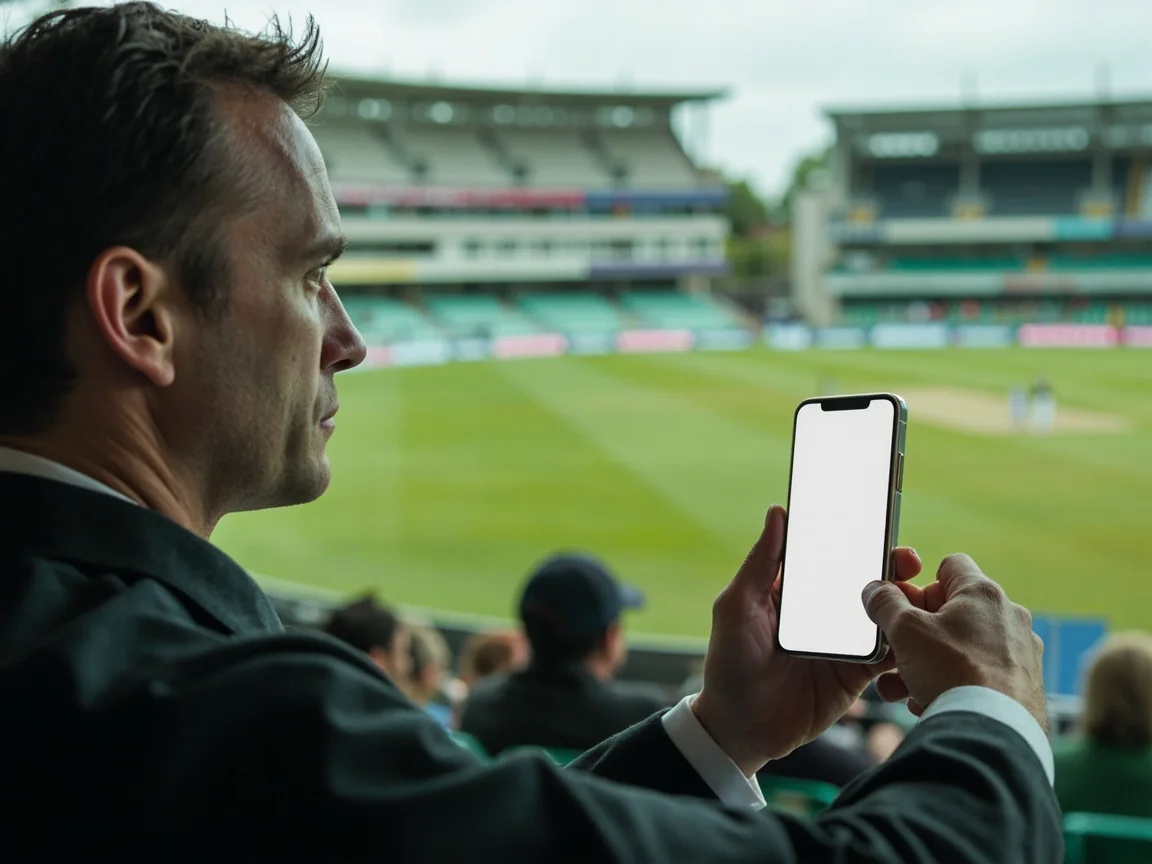
The refresh habit, and when to stop.
Why the refresh habit costs more than it earns, and three small notes on when to stop.
Refreshing the live match card every over is the most common fantasy habit, and the most expensive. The card updates every ball; refreshing every over is a sunk cost. Reading the card once at the toss, once at the 10-over mark, and once at the first-innings break covers 80% of the read; the remaining 20% is noise.
Stop refreshing at the start of the 16th over. By that point the bowler rotation is set, the fielding captain has made the obvious changes, and the run-rate signal is more reliable than the over-by-over score. The fantasy read at that point is settled; the rest is commentary.
The run-rate signal, and the small list that does the work.
Reading the run-rate signal at three points: the powerplay, the middle overs, and the death overs.
The run-rate signal at the powerplay is read against the fielding captain's first six overs. A run rate above 6 in the powerplay with two wickets down is a strong signal; a run rate below 5 with one wicket down is a strong signal in the other direction. The middle-overs run rate is read against the bowler rotation, not the field.
The death-overs run rate is read against the batting side's intent, not the bowling side's variation. A death-overs run rate above 10 is a chase signal; a death-overs run rate below 7 is a containment signal. The signal is not the score; the signal is the rate of change of the rate.